
Preventative vs Corrective Aesthetic Medical Treatments: What's the Difference?
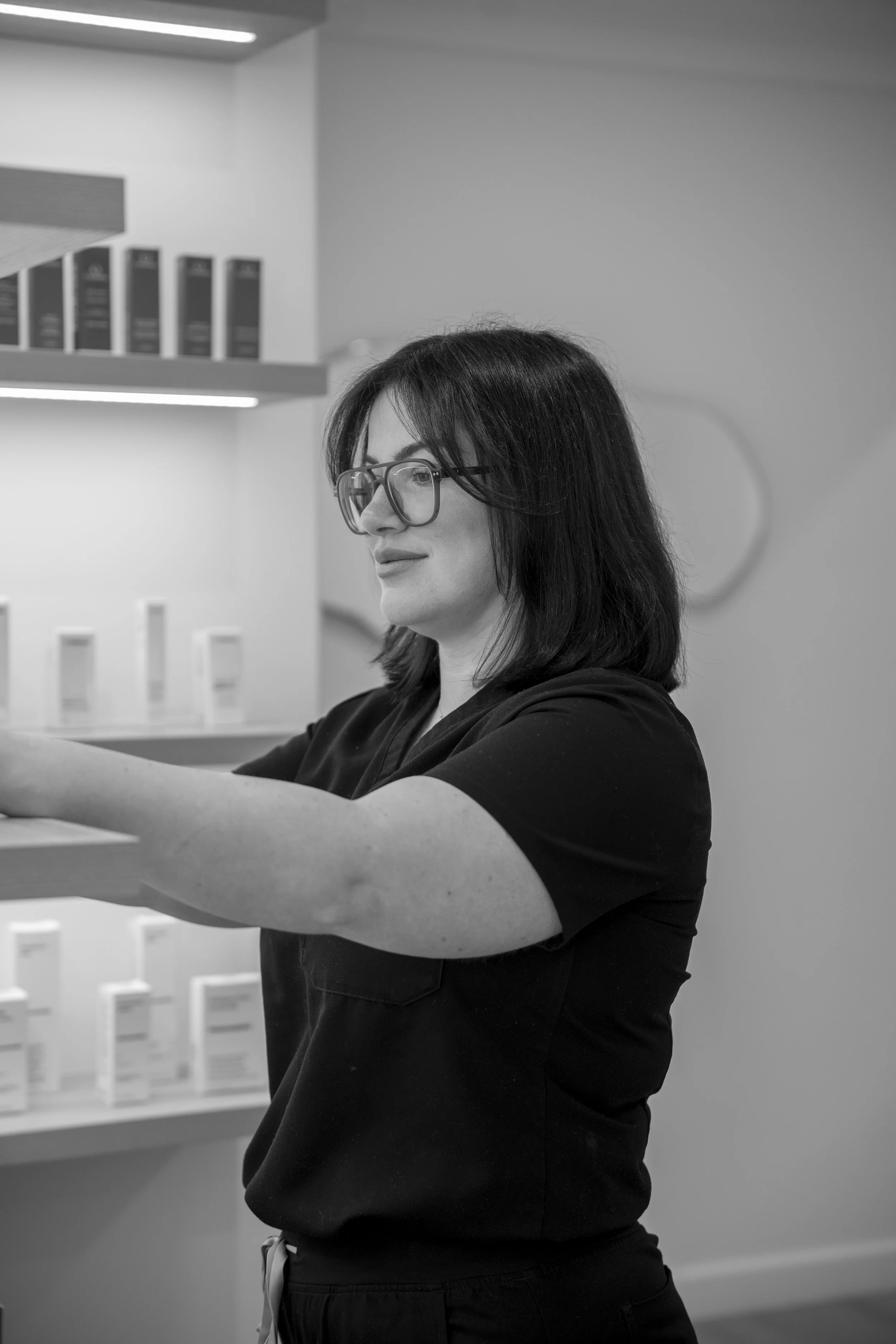
There's no “right age” or “right order” to start caring for your skin with professional support. Some people begin early, wanting to support their skin's structure and function before change becomes visible. Others come to us later, ready to address concerns that have already developed. Both are valid starting points. What matters most is that the treatments chosen for you are suitable for your current skin condition and what we are trying to prevent and achieve.
What are preventative aesthetic medical treatments?
Preventative aesthetic medical treatments are about reinforcing your skin's function before established lines and movement patterns set in. Our most recommended treatment for prevention in your 20’s and 30’s would be Dermapen skin-needling with good home care and daily SPF. At this age your owns body’s ability to respond to collagen induction treatments is high and so regular treatments throughout the year can ward off so many potential concerns on down the track. As collagen and elastin continues to decline we might think about adding medical aesthetic wrinkle treatments in order to prevent static lines appearing. Rather than waiting until a concern is visible and etched in, this approach will reduce the necessity for more regular and intense treatments.
Preventative care isn't only about aesthetic medical treatments. It often sits alongside broader skin health support, like maintaining hydration, collagen and elastin production and overall skin quality through treatments such as Dermapen Skin Needling, HydraFacial, Medical Peels, Platelet Rich Plama, Rejuran, Skin Boosters, or Tixel. The goal across all of it is the same: preserve what's already working well and choose the right treatments to help maintain and improve skin health and function for as long as possible.
What are corrective aesthetic medical treatments?
Corrective treatments address concerns that have already developed. This might mean aesthetic medical treatments targeted at muscle movement that will improve static lines gradually with regular treatments. Volume loss is inevitable as we age and can be replaced with non-surgical medical aesthetics procedures, always in a natural and age appropriate way. In our 30’s and 40’s treatments like Exion can improve many common concerns at this age - open pores, static lines and skin laxity. Exion is excellent for preventing the gradual fall of your facial volume due to collagen and elastin breakdown and gravity. It works by stimulating collagen in the deeper layers of the skin, tightening the hold of fat pads and reducing the unwanted appearance of jowls, nasolabial folds and marionette lines. Corrective treatments can involve many different options, we may be choosing treatments that can target skin laxity and pigmentation, or eyelid rejuvenation and jawline contouring. Whatever the concern ( as this will be different for everyone) we need to ensure the chosen treatments are the best for what we are trying to acheive and that will suit your lifestyle and budget.
Corrective care is rarely about one treatment in isolation.
Do you need to start preventatively to get good results later?
No. Starting later doesn't mean you've missed your chance. Skin responds to support at any stage, and a corrective approach can be just as effective as a preventative one. Prevention is better than cure however this isn’t an absolute necessity. We'd rather you come in when it's right for you.
How do we decide what's right for you?
Every plan starts with a consultation. We look at your skin, your goals, and what you actually want to feel like day to day, then build a plan around that. For some people that's a preventative approach. For others it's corrective. For most, it's a bit of both over time, adjusted as your skin and your goals change.
What does agEing well actually mean AT ERIn AESTHETICS?
We preserve what makes you, you. That's the philosophy behind everything we recommend, whether you're just starting out or addressing something that's bothered you for a while. It's not about turning back time or chasing a different version of your skin. It's about supporting the skin you have, for as long as possible, in a way that still looks and feels like you.
Whatever's right for you starts with a conversation. Book a consultation and let's figure out what "ageing well" looks like for your skin.